A neighborhood on the hillside
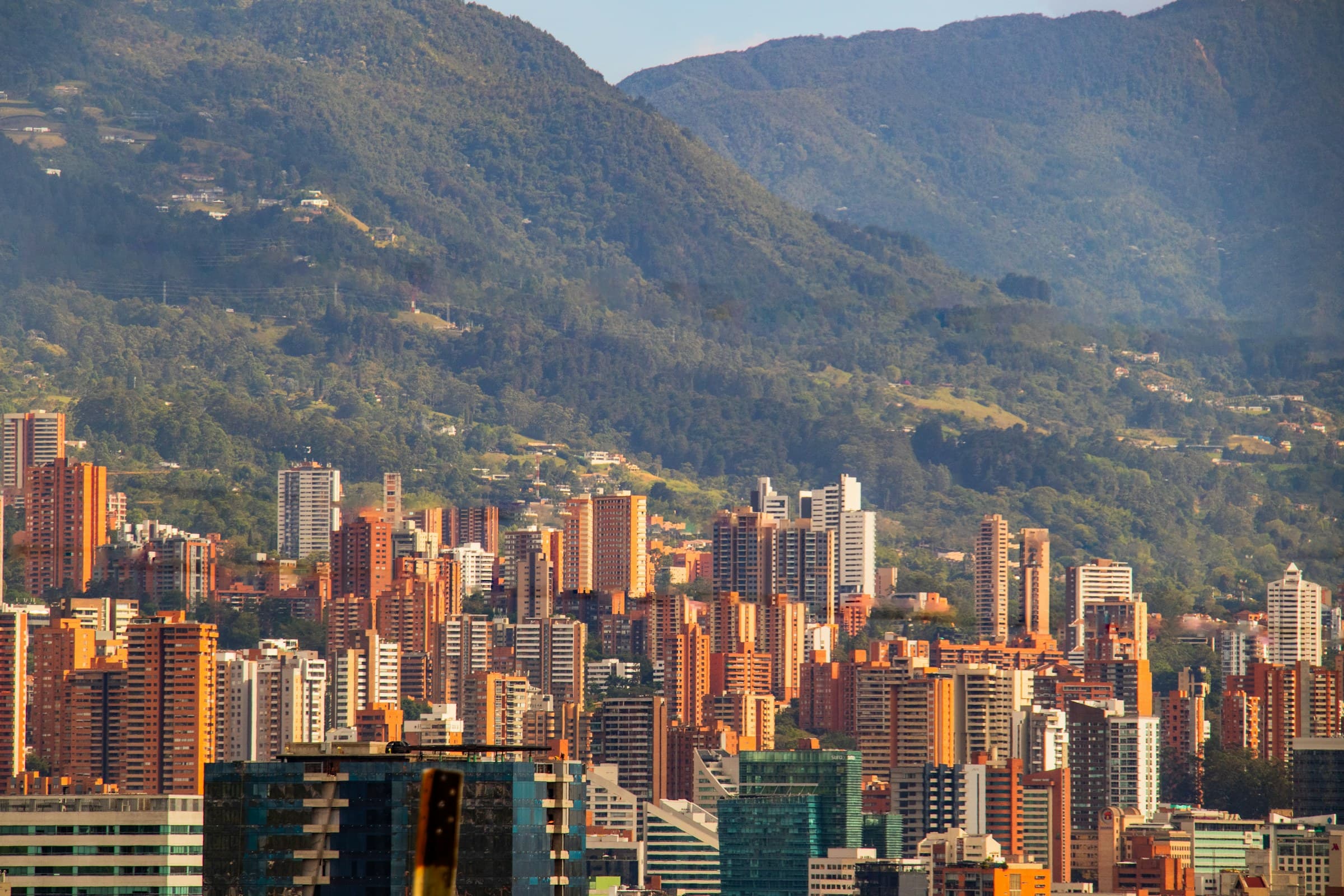
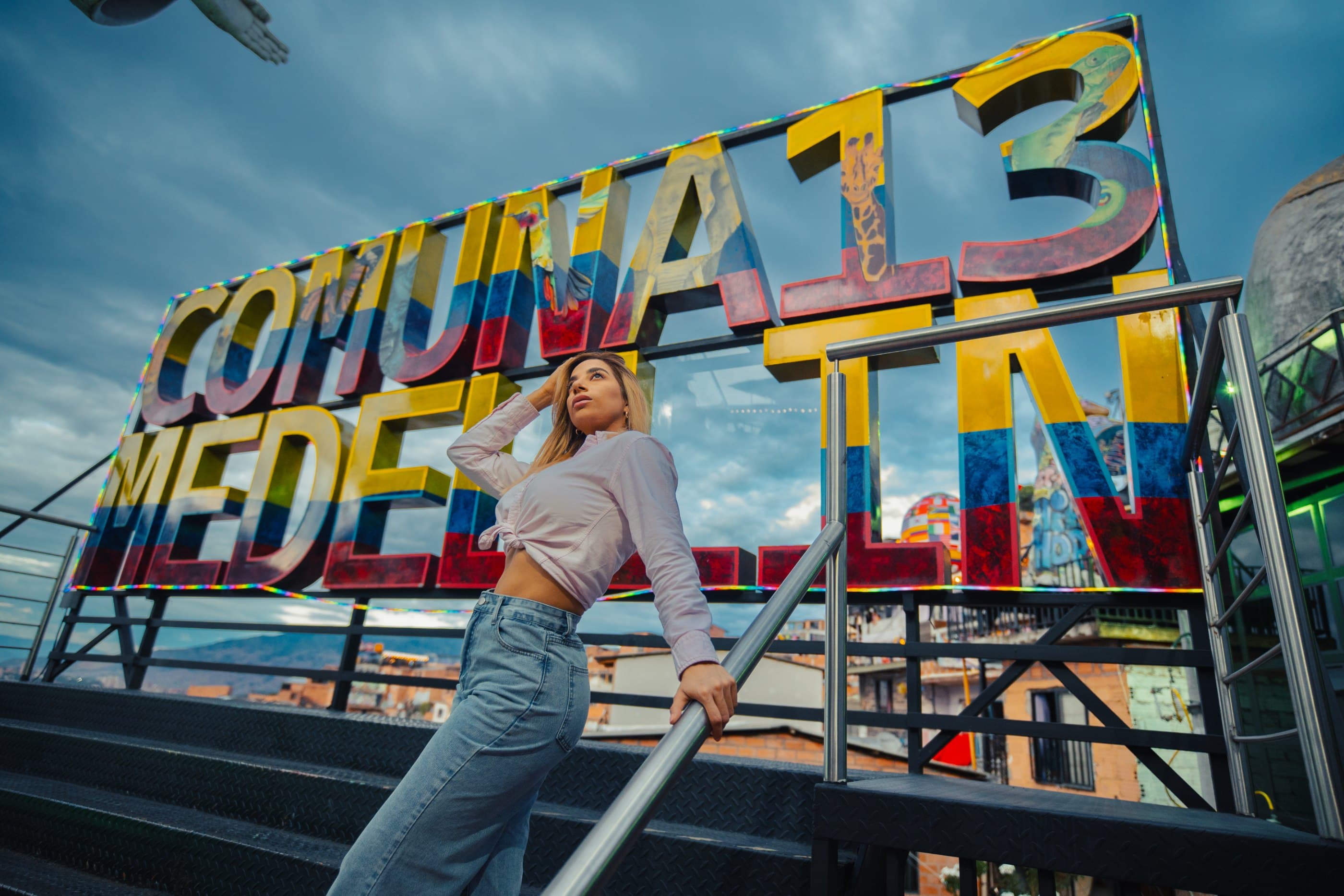
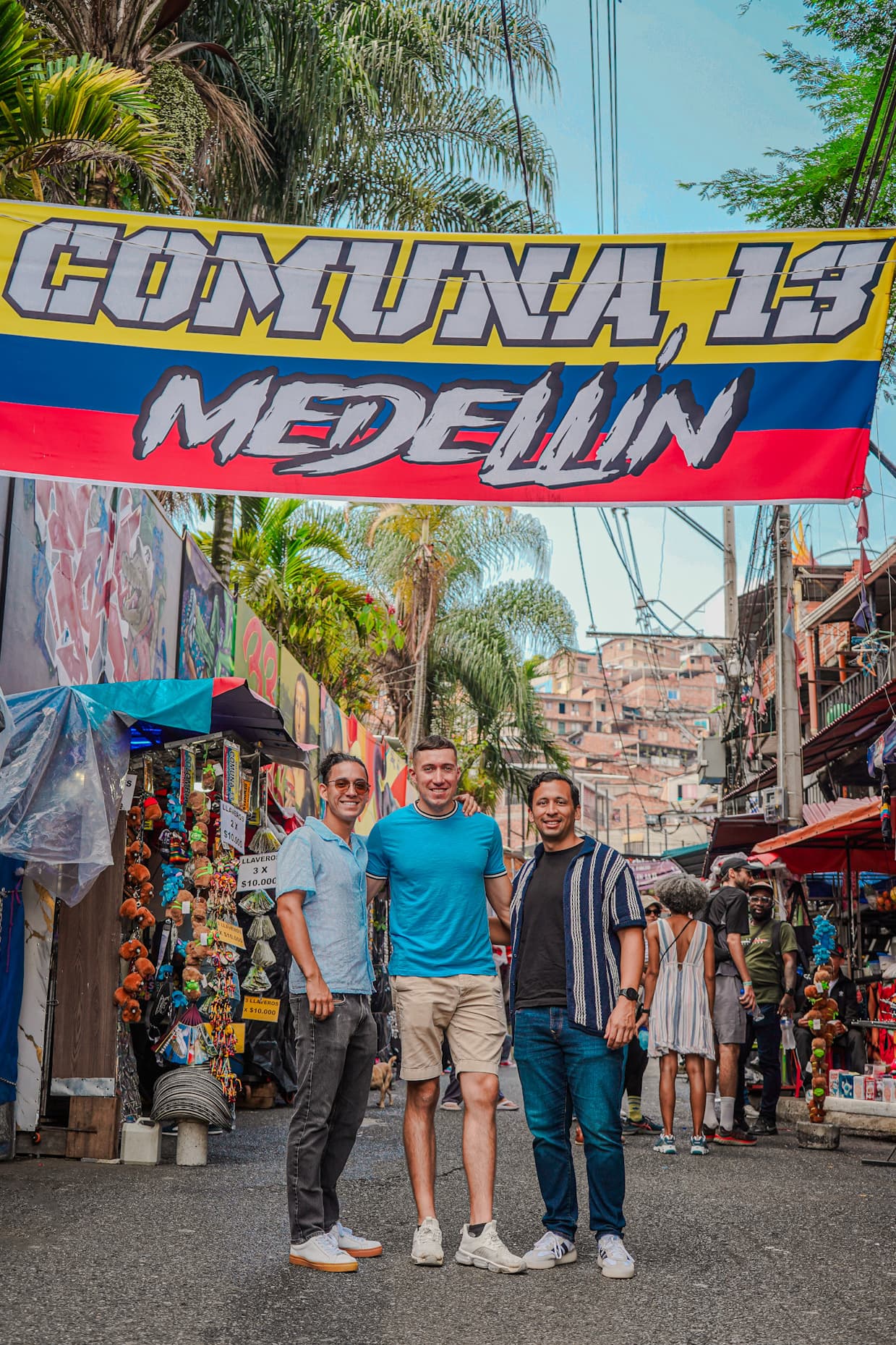
Comuna 13, San Javier, sits on the western hillside of Medellín. More than 150,000 people live in neighborhoods that grew without planning, house upon house, as families displaced from the countryside arrived in the city between the sixties and the eighties. That geography of alleys and stairways explains much of what came next: it was easy to enter and hard to control.
The years of violence
In the nineties and early two-thousands, urban guerrilla militias, paramilitary groups and gangs fought for control of the comuna. For residents that meant invisible borders between neighborhoods, unwritten curfews and families burying their children. Nobody from here talks about that time with nostalgia; it is talked about so it is not forgotten.
2002: the year of the military operations
Orión was not the first. In 2002 there were more than ten military operations inside the comuna, according to the National Center for Historical Memory; the ones that were given names were Mariscal, Potestad, Antorcha and Orión. Operation Mariscal, on May 21, lasted about twelve hours, and ended when residents came out into the street waving white sheets and handkerchiefs so the shooting would stop. That image, of a whole neighborhood asking with white cloths for the shooting to end, is the one still painted on the walls.
Operation Orión, October 2002
On October 16, 2002, the State launched Operation Orión: hundreds of soldiers and police officers, helicopters and days of combat inside an inhabited neighborhood. It was the largest urban military operation in the country's recent history. It left dead, wounded, detained and, above all, disappeared people, whose families still look for answers at La Escombrera, the rubble dump in the upper part of the comuna. On the tour we pass places that lived through those days, and the guide tells what their family saw from the window.
It was commanded by generals Mario Montoya, of the Army, and Leonardo Gallego, of the Police, with more than a thousand troops. The figures for what it left change depending on who counts: the government spoke at the time of 179 detained; the Corporación Jurídica Libertad documented 80 wounded civilians, 370 arbitrary detentions and 92 disappeared. In 2016 the Inter-American Court of Human Rights ruled against Colombia for what happened to several women human rights defenders from the comuna in those years, among them Ana Teresa Yarce, murdered in 2004.
La Escombrera: what was finally found
For more than twenty years the families said their disappeared were in La Escombrera, the rubble dump in the upper part. The Search Unit records 502 people disappeared in Comuna 13. On December 18, 2024, the Special Jurisdiction for Peace found the first remains there; by September 2025 seven bodies had been recovered, and in May 2026 the seventh, now identified, was handed over to the family. The mothers who kept searching were right.
The escalators
In December 2011 the city inaugurated 384 meters of outdoor escalators, in six sections, in the Independencias sector. They replaced a climb of hundreds of steps that residents made daily with groceries, children and the sick. They are the symbol of another way of intervening in a neighborhood: instead of tanks, infrastructure. Today they are also the place from which you see the whole city.
They were built by the city's Urban Development Company and opened on December 25, 2011. They replaced about 350 concrete steps: a 35-minute climb, the equivalent of 28 floors, that now takes about six.
Graffiti and hip hop as memory
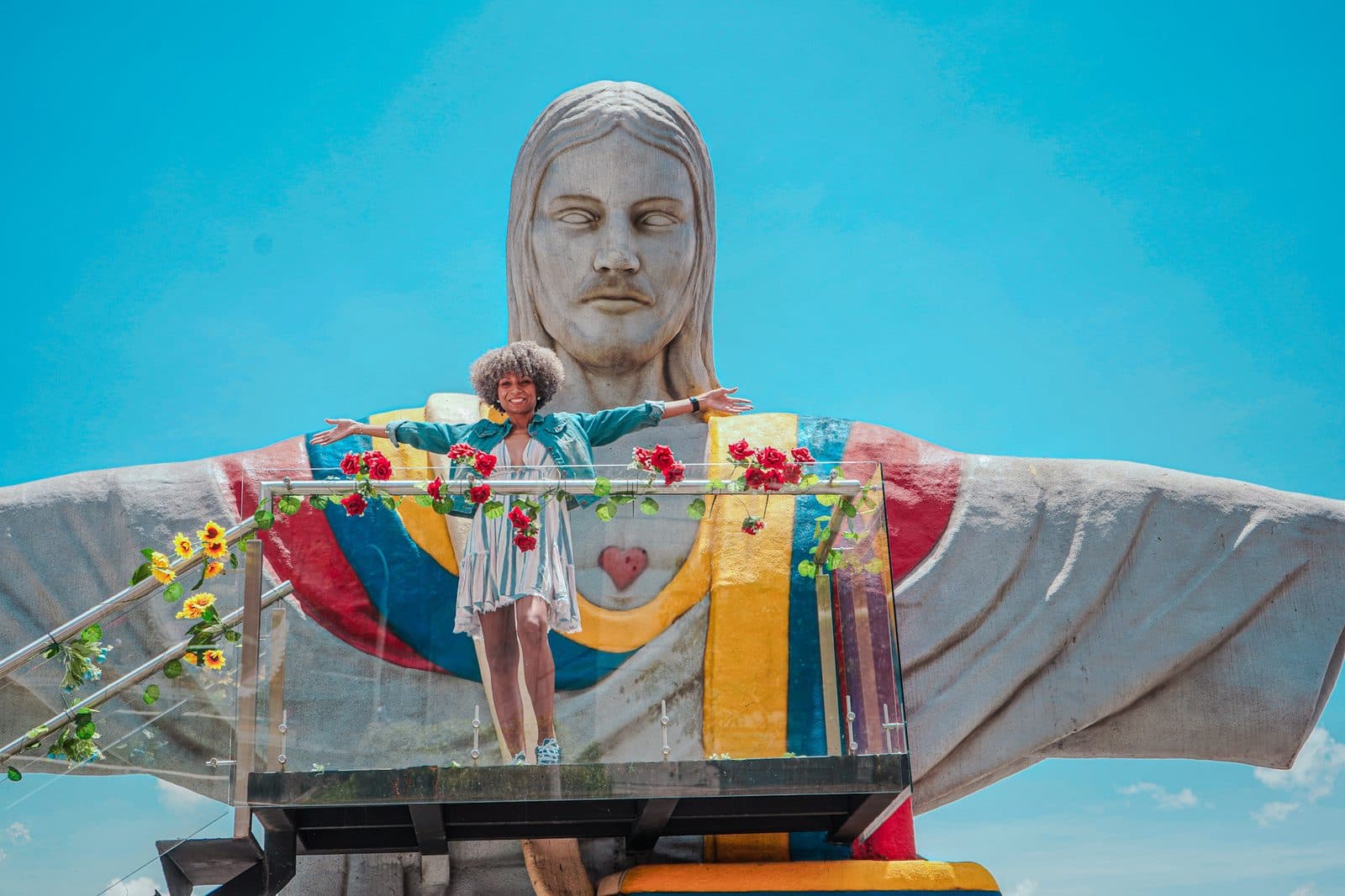
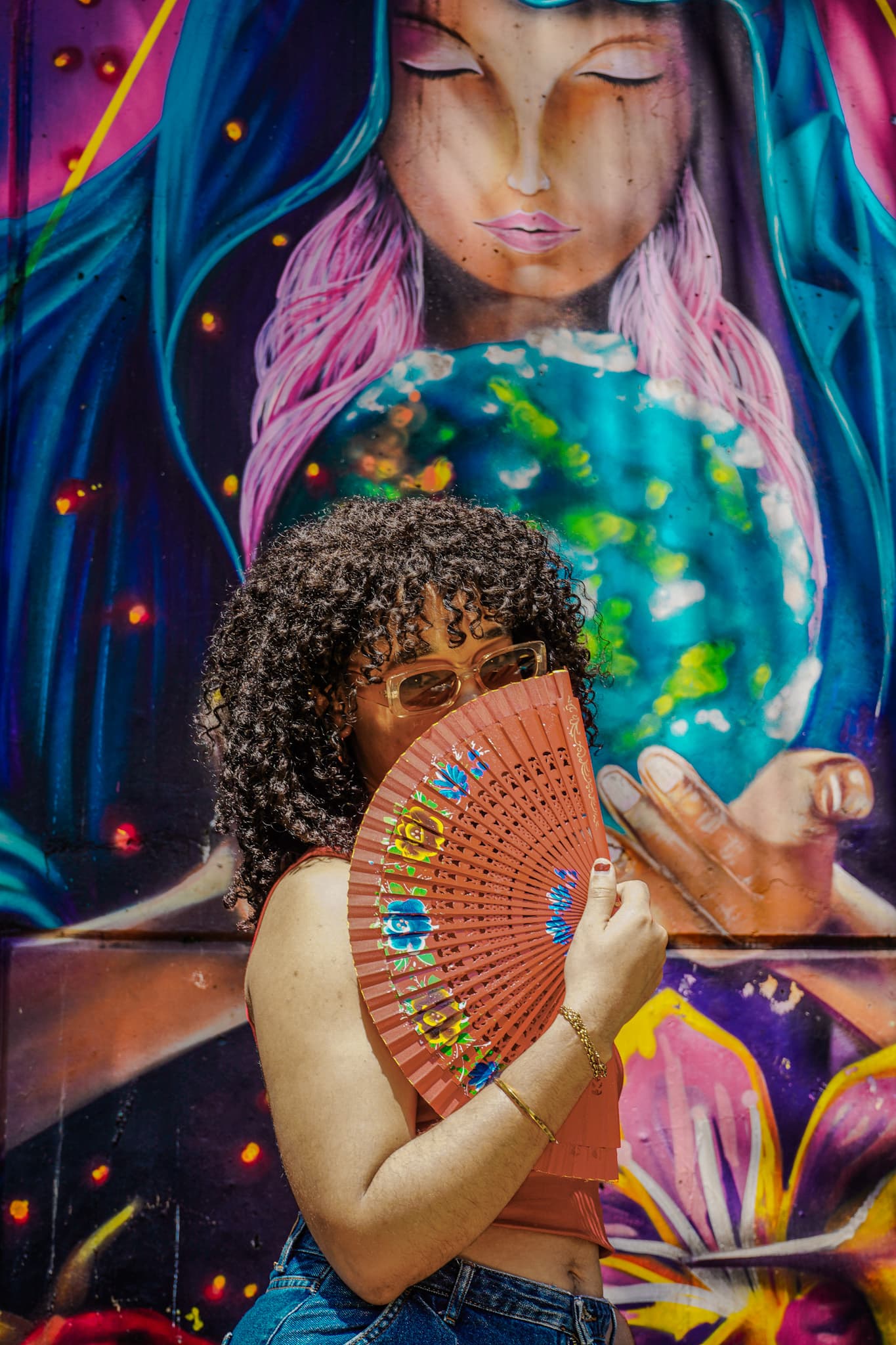
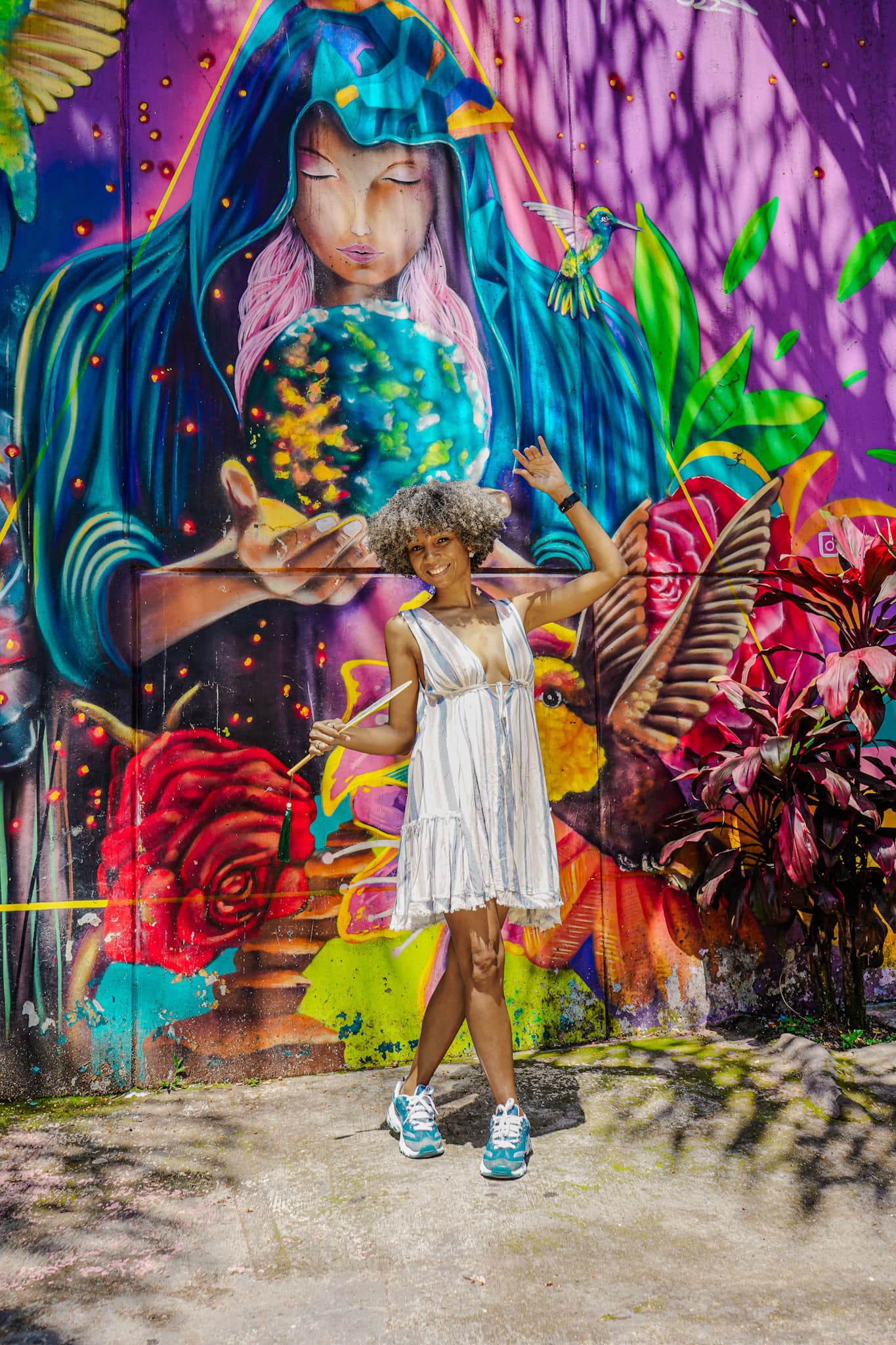
The murals of Comuna 13 were born from youth collectives that, in the middle of the violence, chose rap, breakdance and paint. Each mural says something: the elephants that never forget, the women who held the neighborhood together, the white handkerchiefs of the peace march. That is why on our tour we do not say "look how pretty": we say who painted it and why. Many of the artists still live two blocks away.
Kolacho, El Duke and Revolución sin Muertos
The hip hop of the 13 has its dead too. Héctor Pacheco, "Kolacho", a rapper with the group C15, was murdered in August 2009, aged twenty. In December 2013 his friends opened Casa Kolacho, a rap, graffiti and breakdance school that carries his name. The Revolución sin Muertos festival was born in 2002, the same year as the operations, as a day for peace, memory and non-violence; in 2012 it had to be postponed because threats had driven sixty young artists out of the neighborhood, and that October another rapper, Elider Varela, "El Duke", was killed.
That is why painting and rapping here was never a hobby. It was the way to stay.
From off-limits neighborhood to two million visitors
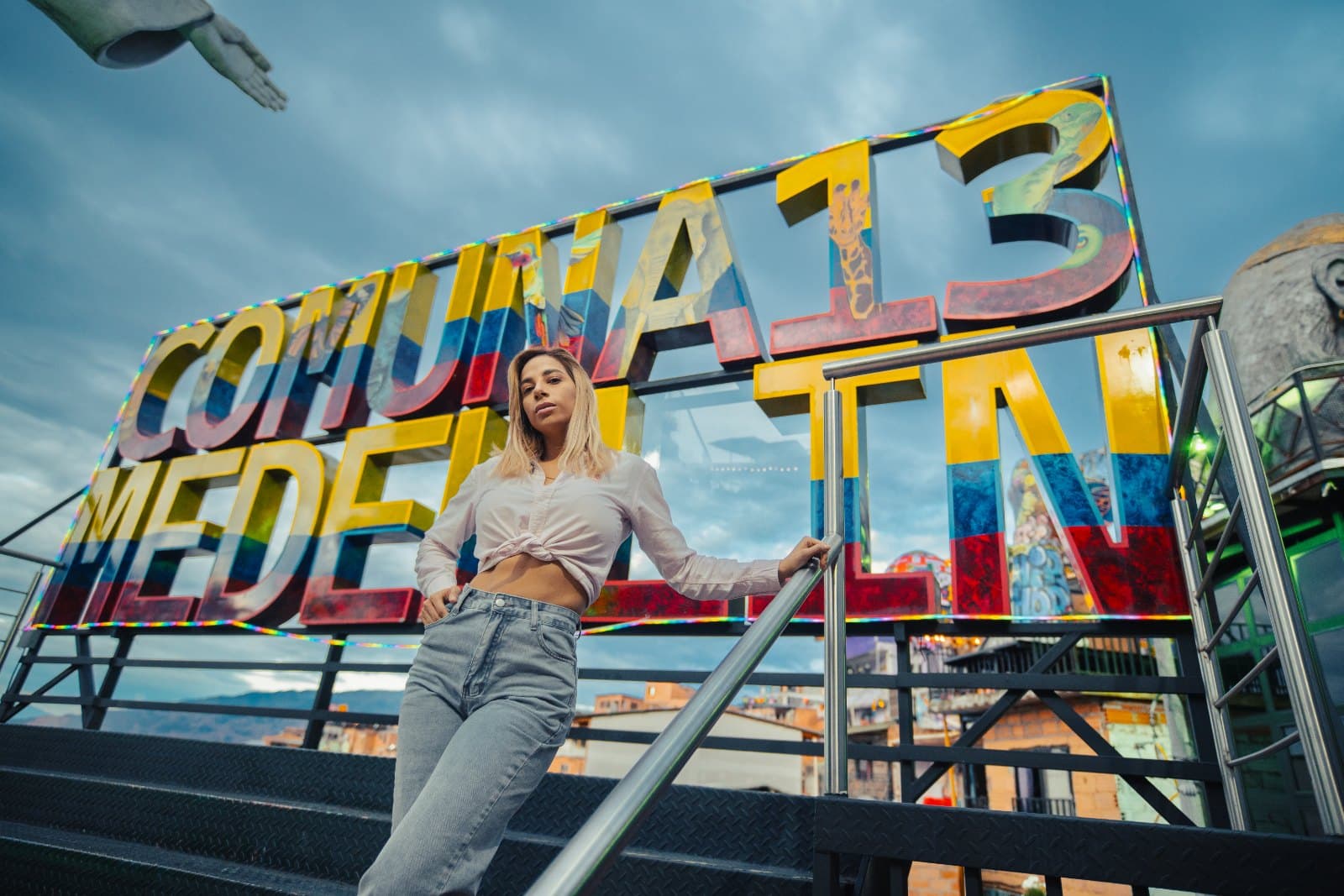
Today Comuna 13 receives close to two million visitors a year, roughly half of them foreign, according to the mayor's office. For a neighborhood the city avoided twenty years ago, it is another life: guides, artists, shops and food stalls live off that tourism. It also brings its tensions, noise and crowded streets, which is why how you visit matters.
How to visit it well
Go with someone from the neighborhood, ask before photographing people, buy from local shops and do not reduce it to a backdrop for photos. Our Graffiti Tour lasts three hours, leaves every day at 9:30 a.m., 1:30 p.m. and 4:30 p.m. from Garden Coffee, in the 20 de Julio neighborhood, and includes patacón with hogao and the mango biche ice cream we make at the house of one of our grandmothers.
Sources
The dates and figures in this article were checked on October 4, 2026.
- JEP: first findings at La Escombrera
- Inter-American Court: Yarce et al. v. Colombia
- Radio Nacional: Operation Orión, twenty years on
- Medellín mayor's office: commemoration of Operation Mariscal
- El Colombiano: seventh victim identified at La Escombrera
- El Colombiano: the hip hop festival postponed in 2012
Frequently asked questions
What was Operation Orión?
A military operation the State launched on October 16, 2002 inside Comuna 13, with hundreds of soldiers and police officers and helicopters. It was the largest urban military operation in Colombia's recent history and left dead, wounded, detained and disappeared people.
When did the Comuna 13 escalators open?
In December 2011. They are 384 meters long, outdoors, in six sections, in the Independencias area.
What do the Comuna 13 murals mean?
They are the neighborhood's memory: the elephants that never forget, the women who held it together, the white handkerchiefs of the peace march. They were born from youth collectives that chose rap, breakdance and paint in the middle of the violence.
How long is the Graffiti Tour and where does it start?
It lasts three hours and leaves every day at 9:30 a.m., 1:30 p.m. and 4:30 p.m. from Garden Coffee, in the 20 de Julio neighborhood.