
The short answer: the five essentials
If you only read one paragraph: go up to Comuna 13 with someone from the neighborhood, spend a day in Guatapé, walk Plaza Botero, ride the Metrocable and understand the city's history before you leave. Everything else, and there is a lot, is below: 30 things to do sorted by type, with 2026 prices, opening hours and the day each place closes. It is written by the guides who run the tours, so we also tell you what is not worth it.
What to do in Medellín depending on how many days you have
Most people come for three or four days. You can do it with fewer; with more, the city does not run out.
- One day: Comuna 13 in the morning, Plaza Botero and the Museo de Antioquia after lunch, and sunset from Pueblito Paisa.
- Two days: the above, plus a full day in Guatapé and El Peñol Rock.
- Three days: add the Pablo Escobar history tour in the morning and the Metrocable to Parque Arví in the afternoon. The exact order is in our three-day itinerary.
- A week: all of that, a museum a day, a salsa night, a match at the Atanasio and a getaway to Santa Fe de Antioquia or Jardín.
The five essentials
These are the reasons people come to Medellín. If it is your first time, start here.
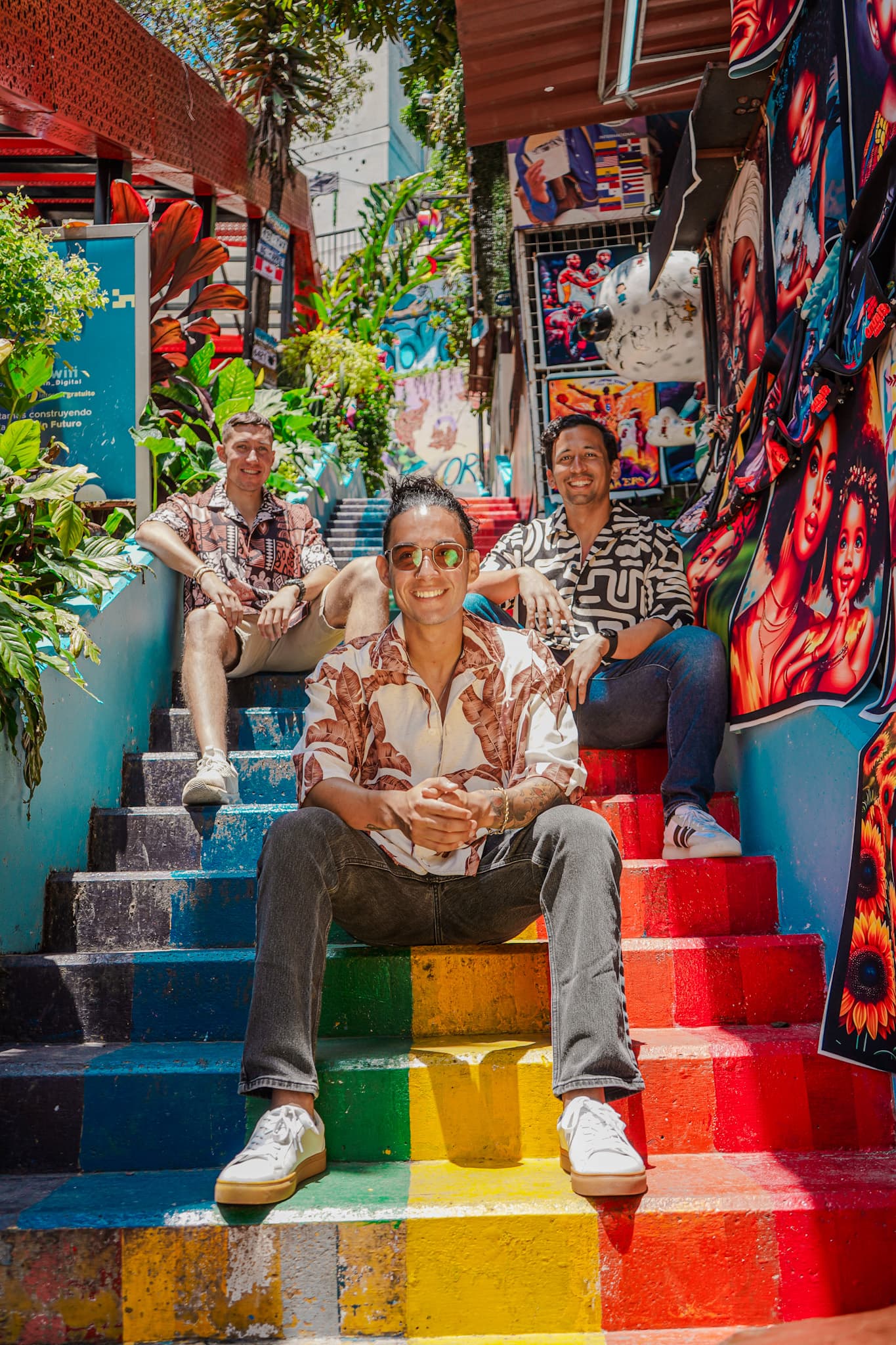
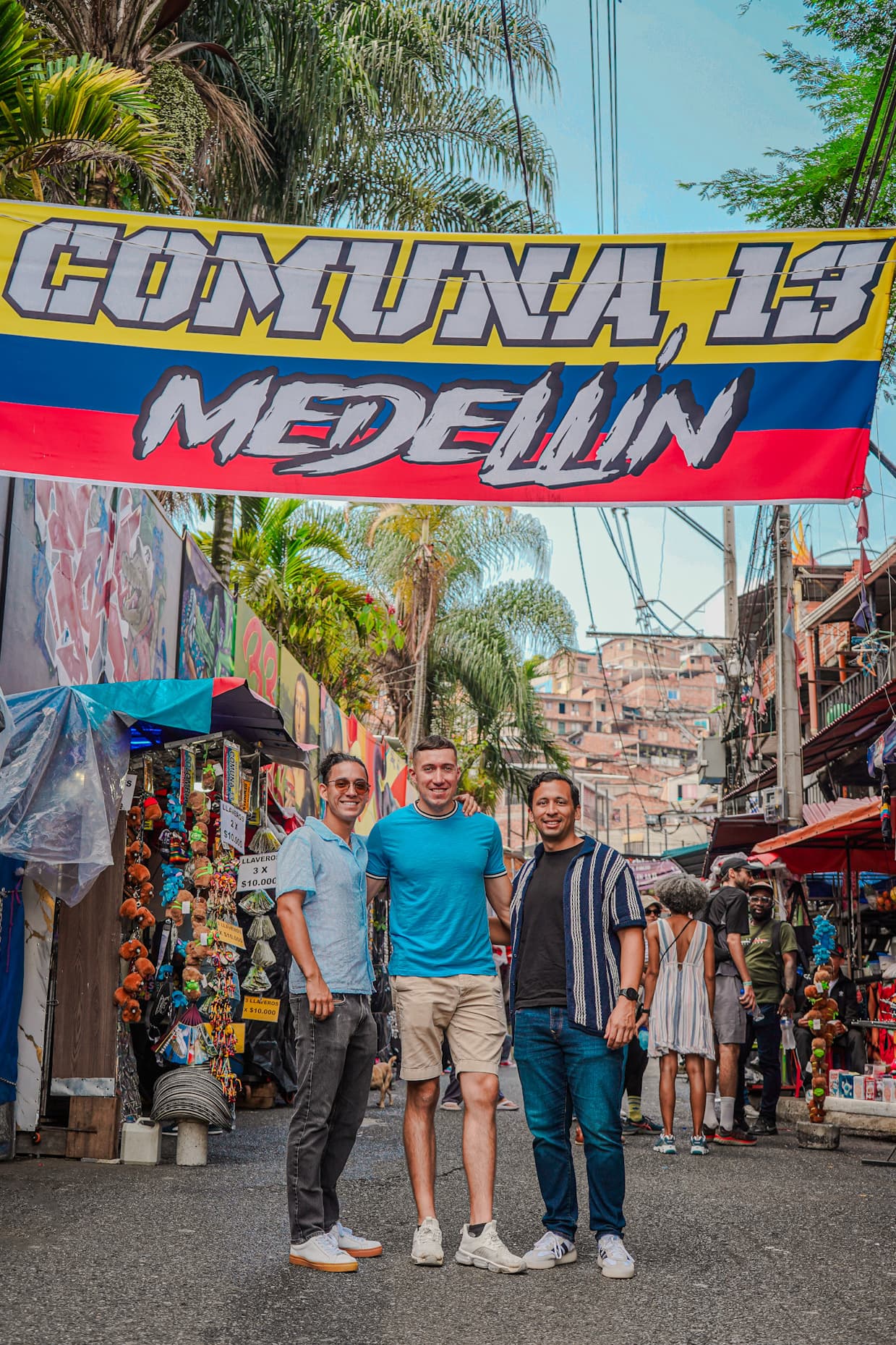
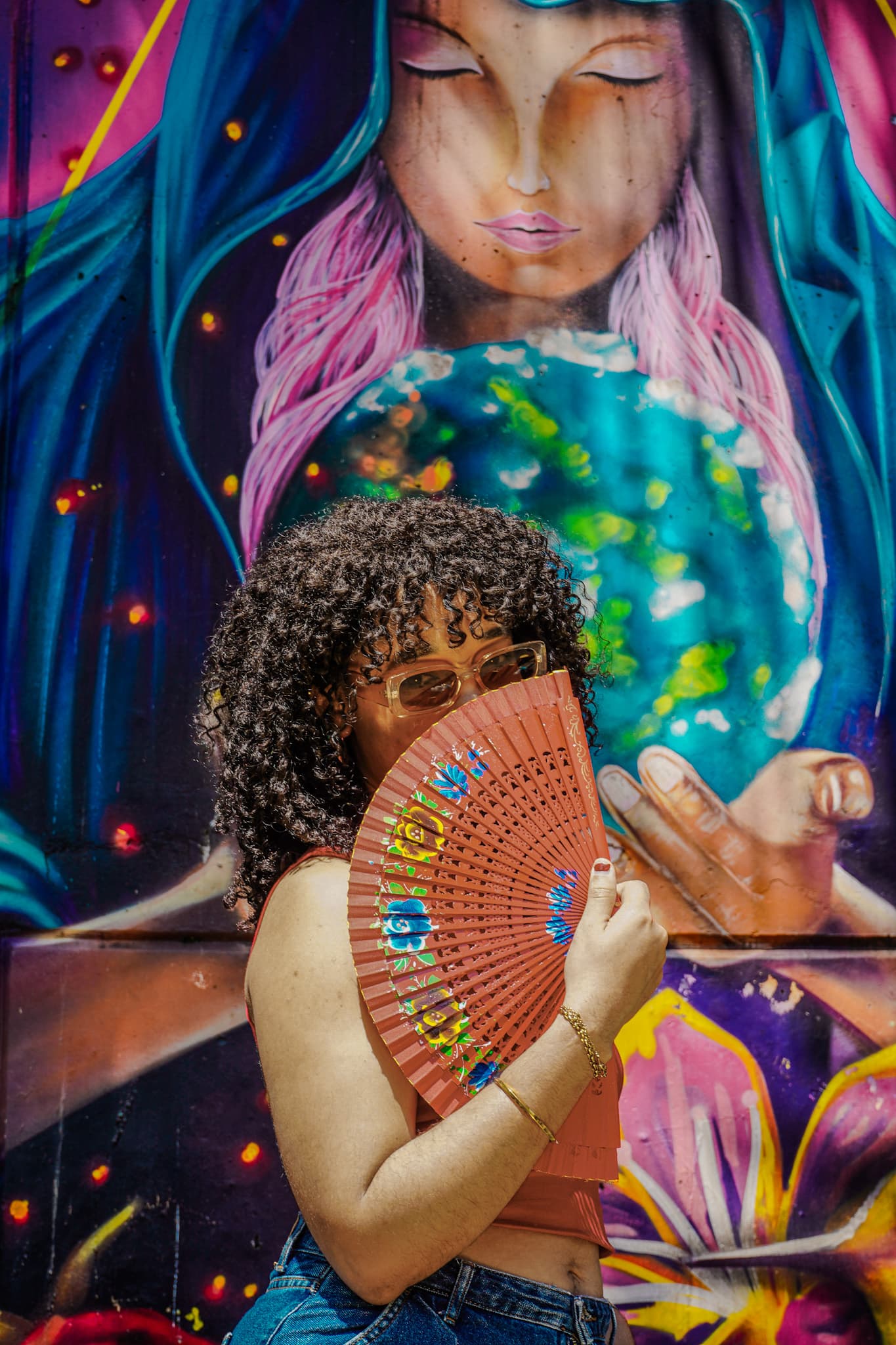
- 1. Comuna 13. The neighborhood that went from the most violent in the city to receiving close to two million visitors a year: murals, outdoor escalators, hip hop and the best view of the valley. You can go on your own, but the murals do not explain by themselves what happened; that is why our Graffiti Tour exists, guided by people who were born there. Before you go, read whether it is safe and the story behind the graffiti.
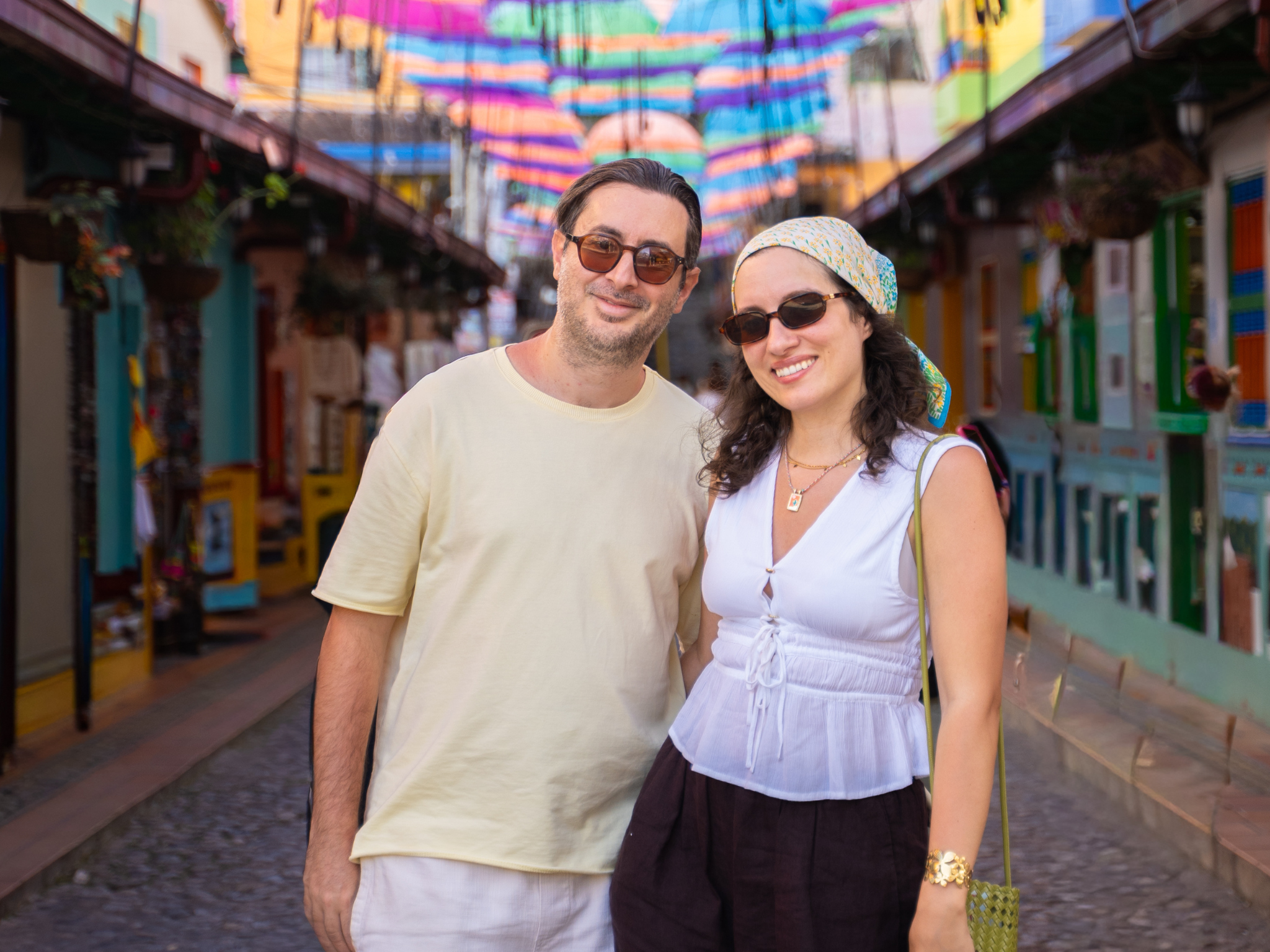
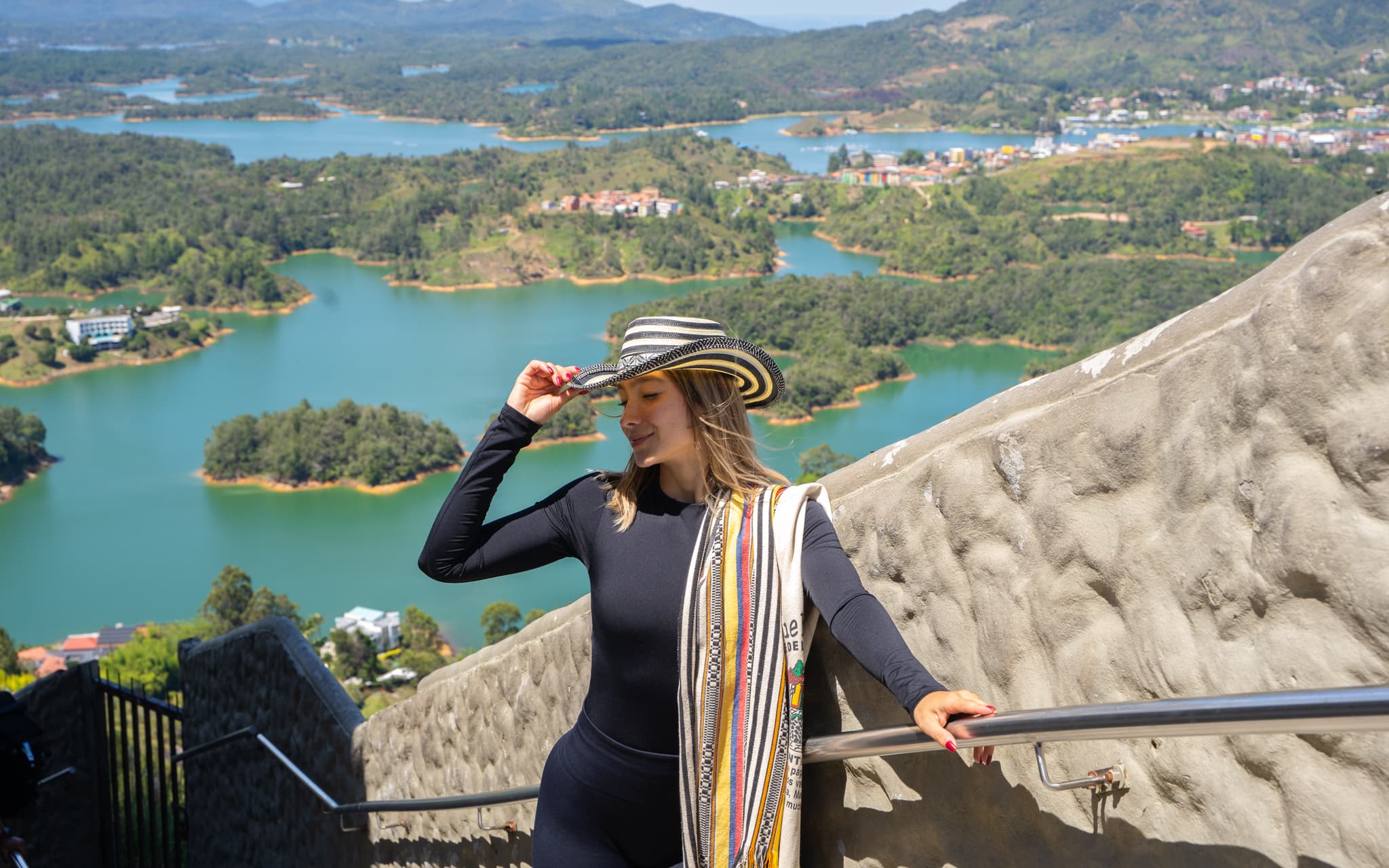
- 2. Guatapé and El Peñol Rock. Two hours from Medellín: a monolith with 740 steps, a reservoir full of islands and the most colorful town in Antioquia. The Rock's entrance costs 35,000 pesos. You can go by bus or with our Guatapé tour, with transport, breakfast, lunch and a boat ride; in this guide we compare both options with prices.
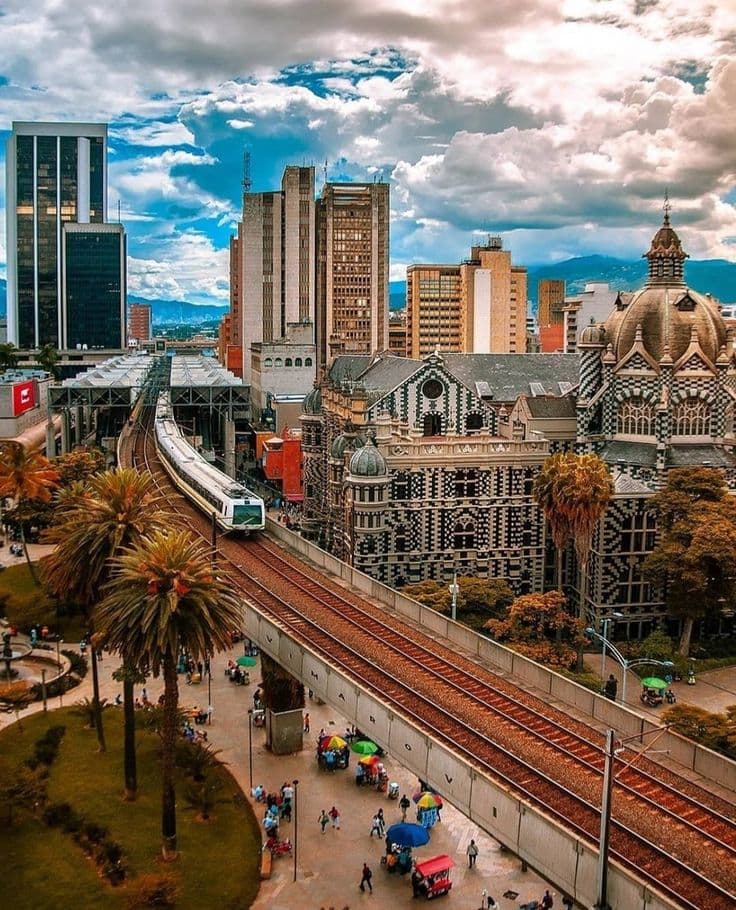
- 3. Plaza Botero and the Museo de Antioquia. Fernando Botero's 23 sculptures stand outdoors and are free; next door, the museum holds his work and that of the great painters of Antioquia. Entry costs 46,000 pesos for foreigners and 18,000 for Colombians. Go by day and with nothing valuable on show: this is downtown.
- 4. The Metrocable and Parque Arví. The Metrocable is public transport and also the best viewpoint in the city: line K, from Acevedo to Santo Domingo, is included in the Metro fare. From there, the tourist cable car climbs to Parque Arví, a forest at 2,500 meters, for 26,700 pesos each way for foreigners. Entering the park is free; you only pay for what you choose to do, such as the guided walks: 30,000 pesos for foreigners and 20,000 for Colombians. Note: the cable car and the park close on Tuesdays.
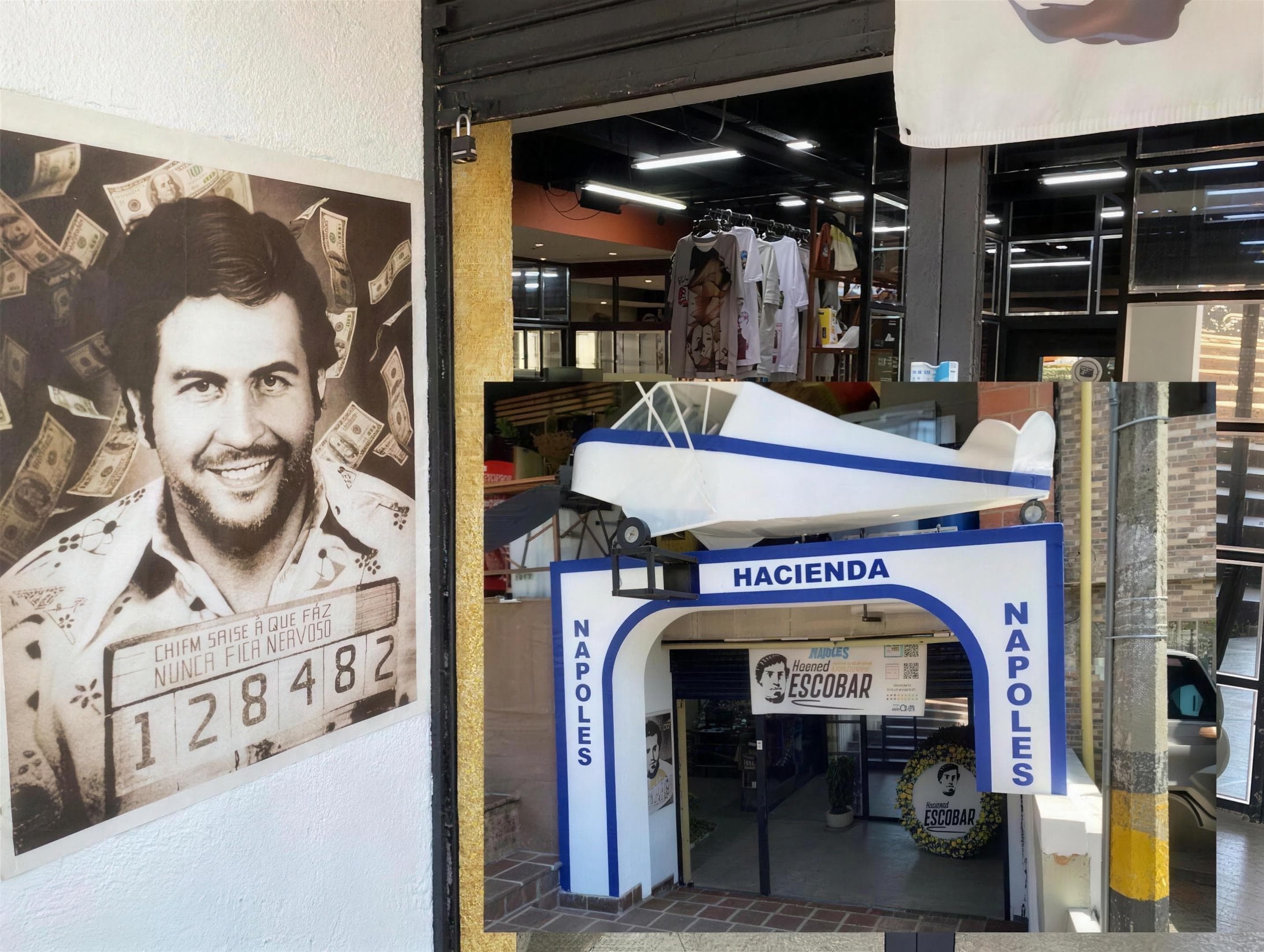
- 5. The Pablo Escobar story, told properly. Medellín does not want to forget those years; it wants them told in full, victims included. Our Pablo Escobar history tour is guided by people who lived through that time and ends at Inflexión Park, the memorial built where the Mónaco building stood. Why we tell it this way: without glorifying him.
Free things to do in Medellín
A good share of the best of the city costs nothing.
- 6. Pueblito Paisa, on Nutibara hill. A replica of an Antioquia town from a century ago, with a full view of the valley. Go up at sunset.
- 7. Botanical Garden. Forest, a lake and an orchid garden next to Universidad station. Open Tuesday to Sunday, closed on Mondays.
- 8. Museo Casa de la Memoria. The museum where the city tells its conflict in the voice of the victims. It is the best complement to Comuna 13 and the Escobar tour. Open Tuesday to Friday from 9:00 a.m. to 6:00 p.m., and Saturdays, Sundays and holidays from 10:00 a.m. to 4:00 p.m.; closed on Mondays.
- 9. Parques del Río, Pies Descalzos and Parque de las Luces. Three public spaces near Alpujarra station that show how the city redesigned itself: the recovered riverbank, a park for taking your shoes off and a square with 300 light poles.
- 10. The ciclovía. On Sundays and holidays, from 7:00 a.m. to 1:00 p.m., avenues such as El Poblado and Avenida del Río close to cars and fill with bikes and joggers. There is a night ciclovía on Tuesdays and Thursdays from 8:00 to 10:00 p.m.
- 11. Cerro de las Tres Cruces. The climb where locals work out at dawn, with the city below. It is steep and short. Go in daylight, when there are people around, and stay on the marked trail.
- 12. San Pedro Cemetery Museum. Founded in 1842 and declared national heritage, it is an open-air sculpture museum where half of Antioquia's history is buried. It runs night tours on full-moon nights.
Museums and science
For a rainy afternoon or for traveling with children. Almost all of them close on Mondays.
- 13. Museum of Modern Art (MAMM). Contemporary art in a former steelworks in Ciudad del Río. Entry costs 30,000 pesos for foreigners and 18,000 for residents of Colombia. Open Tuesday to Friday from 11:00 a.m. to 7:00 p.m. and weekends until 6:00 p.m.; closed on Mondays.
- 14. Parque Explora. An interactive science museum with an aquarium, next to Universidad station. The ticket for foreigners costs 67,950 pesos; residents of Colombia pay less. Open Tuesday to Friday from 8:30 a.m. to 5:30 p.m. and weekends and holidays from 10:00 a.m. to 6:30 p.m.; closed on Mondays. Allow two and a half hours.
- 15. Medellín Planetarium. It reopened renovated in 2026, with 51 interactive experiences and a dome show included in the ticket: 46,400 pesos for foreigners and 32,950 for residents of Colombia. The combo with Parque Explora, which is across the street, costs 115,200 pesos for foreigners. Same hours as Explora; closed on Mondays.
- 16. Museo El Castillo. A French-inspired castle with gardens, in the upper part of El Poblado. The guided tour of the castle and gardens costs 35,000 pesos for foreigners and 27,000 for Colombian adults; the gardens alone, 28,000 and 22,000. There are tours in English at 11:00 a.m. and 3:00 p.m. Open every day until 5:00 p.m. There is no Metro nearby: take a taxi.
Eating and drinking
Paisa food is plentiful and unpretentious. The dish to try once is the bandeja paisa: beans, rice, ground beef, chicharrón, chorizo, egg, sweet plantain, avocado and arepa. Order it to share.
- 17. Mercado del Río. A food hall with more than 50 stalls in Ciudad del Río, next to the MAMM. It works when the group cannot agree.
- 18. Plaza Minorista. The real market, famous for its fruit: lulo, soursop, granadilla, dragon fruit, mangosteen. Go in the morning and try the ones you do not know.
- 19. Street food in Comuna 13. Patacón with hogao, mango biche ice cream, empanadas. What each thing is and what it costs, in what to eat in Comuna 13.
What to do in Medellín at night
Nightlife is split between two neighborhoods, and bars close between 2:00 and 4:00 a.m. depending on the area.
- 20. Provenza and Parque Lleras, in El Poblado. The most international area: restaurants, terraces and clubs, one next to the other.
- 21. La 70, in Laureles. More local and cheaper: neighborhood bars, live music and a pre-match football atmosphere.
- 22. A salsa night. In Laureles there are classics such as Son Havana and El Tíbiri. You do not need to know how to dance: someone will ask you.
Football, festivals and dates
Some plans depend on the calendar. If your dates are flexible, these three are worth planning around.
- 23. A match at the Atanasio Girardot. Atlético Nacional and Independiente Medellín play here. Nacional sells tickets at tribunaverde.com and Medellín through its app; a league match starts at about 38,500 pesos.
- 24. The Flower Festival, in August. Ten days of celebration that end with the Silleteros Parade. In 2026 it ran from July 31 to August 9; the 2027 dates have not been announced yet.
- 25. The Christmas lights, in December. Millions of lights along the river, free, from late November to early January. The whole month, in Medellín in December.
Near Medellín: day trips
Besides Guatapé, already among the essentials, there are five outings worth the trip.
- 26. Santa Fe de Antioquia. A colonial town in the hot lowlands, about 80 kilometers and between an hour and a half and two hours from Terminal del Norte. Nearby is the Puente de Occidente, a 291-meter suspension bridge from the nineteenth century.
- 27. Santa Elena. The village of the silleteros, at 2,650 meters. Several farms receive visitors and show how a flower silleta is made.
- 28. Jardín. One of the prettiest towns in Colombia, about three and a half hours by bus from Terminal del Sur. It is far for a day trip: better to stay a night.
- 29. Paragliding in San Félix. Tandem flights of 15 to 20 minutes over the valley, from the road to San Pedro de los Milagros. Operators offer them from about 220,000 pesos. It depends on the weather.
- 30. A coffee farm. In the rural districts of San Cristóbal and Palmitas, about 45 minutes away, there are farms that show the coffee process from tree to cup.
In the rain and with children
If it rains: Medellín's downpours are heavy and short, almost always in the afternoon. Save the Museo de Antioquia, the MAMM, Parque Explora, the Planetarium or Mercado del Río for that stretch. Our Escobar and Guatapé tours run rain or shine, and the Comuna 13 tour goes ahead in light rain.
With children: Parque Explora and the Planetarium are the favorites, followed by the Botanical Garden and any Metrocable ride. Guatapé is a family outing, and children can join the Graffiti Tour from age two.
Getting around and where to stay
The Metro costs 4,400 pesos per trip with the pay-as-you-go Cívica card and reaches almost everything on this list; for the rest, use ride apps. Stay in El Poblado if you want restaurants and nightlife on foot, or in Laureles if you prefer a more local neighborhood. Airport taxi and bus prices, and the rules for getting around with peace of mind, are in is Medellín safe to visit?.
What is not worth it
Three things we tell friends who come to visit.
- Tours that sell Pablo Escobar as an attraction, with costumes and souvenirs with his face. If it does not stop at a place dedicated to the victims, it is a fan tour.
- Going up to Comuna 13 at midday on a weekend: it is hotter and the escalators are more crowded. The 9:30 a.m. departure is the coolest.
- Hailing taxis on the street late at night. After dark, order a ride by app.
Sources
Prices and hours checked on October 4, 2026. They change every year: confirm them on each place's website before you go.
- Metro de Medellín: fares, including the Arví cable car
- Medellín mayor's office: Parque Arví, opening days and guided walks
- Medellín mayor's office: Museo Casa de la Memoria
- El Colombiano: museum hours and prices in 2026
- Medellín mayor's office: the new Planetarium
- El Colombiano: ciclovía hours
- Medellín mayor's office: Cerro de las Tres Cruces
- El Colombiano: 2026 Flower Festival
- Parque Explora and Planetarium: tickets
- MAMM: tickets
- Museo El Castillo: hours and tickets
- Museo de Antioquia: hours and prices
- Parque Arví: guided walk prices
Frequently asked questions
How many days do you need in Medellín?
Three or four. That covers Comuna 13 and downtown, a day in Guatapé, the city's history and the Metrocable to Parque Arví. With a week you can add museums, a salsa night and a getaway to Santa Fe de Antioquia or Jardín.
What can you do for free in Medellín?
Plaza Botero, Pueblito Paisa, the Botanical Garden, the Museo Casa de la Memoria, Parques del Río, the Sunday ciclovía, Cerro de las Tres Cruces and the San Pedro Cemetery Museum. In December, the Christmas lights.
What can you do in Medellín in one day?
Comuna 13 in the morning, Plaza Botero and the Museo de Antioquia after lunch, and sunset from Pueblito Paisa.
When is the best time to visit Medellín?
The weather is spring-like all year, between 18 and 28 degrees Celsius. It rains more between April and May and between October and November. The two liveliest dates are the Flower Festival, in August, and the Christmas lights, in December.
Is Medellín safe for tourists?
Yes, with the common-sense rules of any big city: do not show your phone on the street, get around by app at night and watch your drink in bars. The risk that most affects foreigners is scopolamine theft linked to dating-app dates.
Which days do the museums and Parque Arví close?
Parque Arví and its cable car close on Tuesdays. The Botanical Garden, Parque Explora, the MAMM and the Museo Casa de la Memoria close on Mondays.